By: Charlene V. Martoni
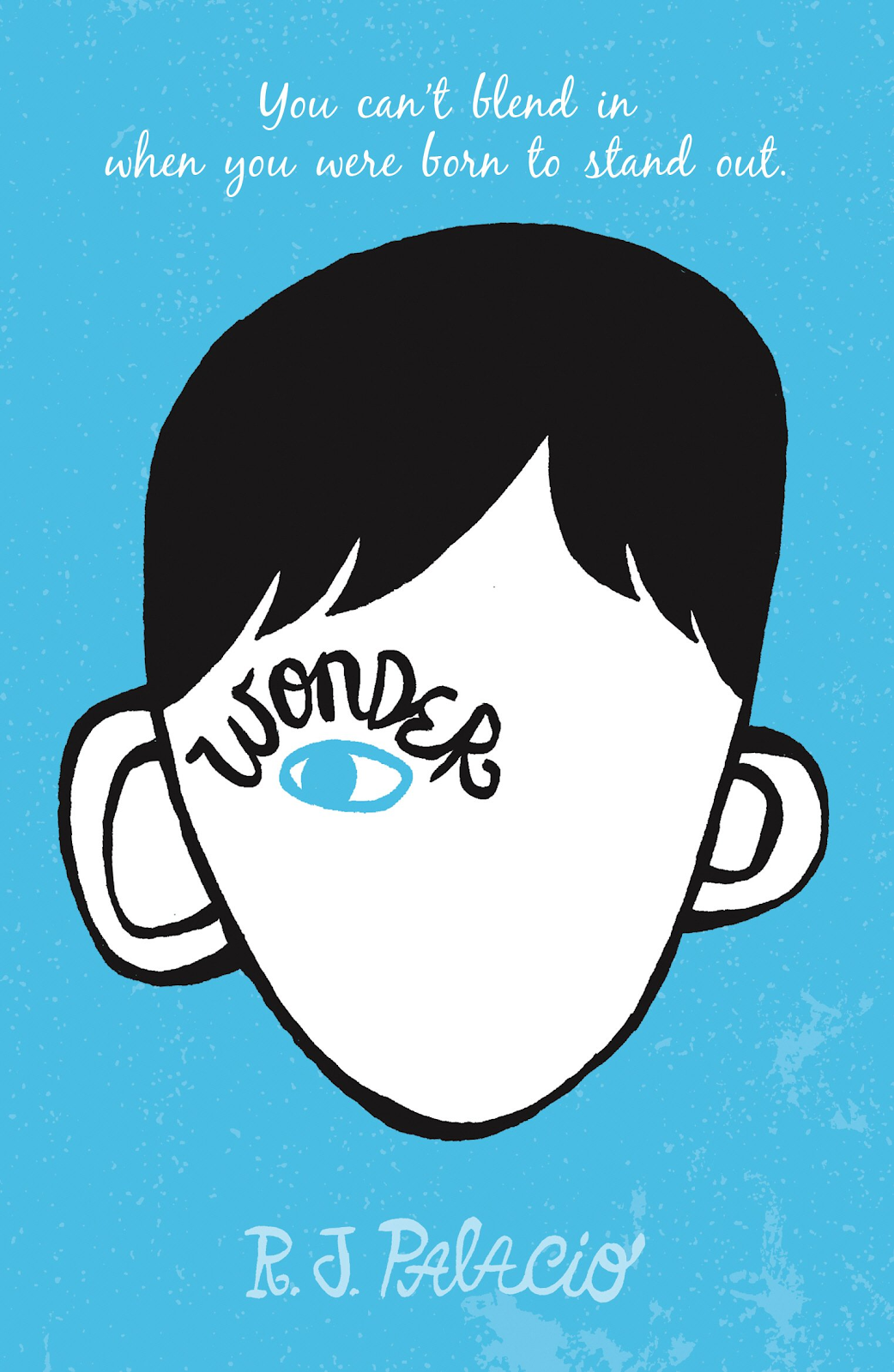 Fiction Book
Palacio, R. J. Wonder. Knopf Books for Young Readers, 2012.
Lexile Level: 790L
Age 8-12/Grade 3-7
Grade for this activity: 7
Alignment
Learning Standards:
- CCSS.ELA-Literacy.CCRA.R.1: Read closely to determine what the text says explicitly and to make logical inferences from it; cite specific textual evidence when writing or speaking to support conclusions drawn from the text.
- CCSS.ELA-Literacy.CCRA.R.3: Analyze how and why individuals, events, or ideas develop and interact over the course of a text.
Learning Goal:
Students will reframe the notion of “disability” by examining how one’s differences ultimately make them who they are.
Students will reframe the notion of “disability” by examining how one’s differences ultimately make them who they are.
Learning Objectives:
- (A) By responding to instructor-provided prompts, students will express how their differences contribute to who they are.
- (S) Citing evidence from the texts, students will illustrate how plot events lead to character development.
- (K) With clear instructions, students will recognize that a narrative story has a beginning, a middle, and an end.
Learning Outcome:
Students will make timelines that show how characters’ perceptions of their disabilities develop over the course of the texts. Students will then choose one thing that makes them feel different and create a t-chart that identifies ways this difference has positively impacted their lives. They will then write a narrative about the difference and how it contributes to who they are as a person.
Students will make timelines that show how characters’ perceptions of their disabilities develop over the course of the texts. Students will then choose one thing that makes them feel different and create a t-chart that identifies ways this difference has positively impacted their lives. They will then write a narrative about the difference and how it contributes to who they are as a person.
Activity
- Choose a memoir to work with: Ugly or El Deafo. (The teacher will divide the class into small groups based on their choices).
- In small groups, make two timelines: one for the main character in the memoir you chose, and one for Auggie, the main character in Wonder. Each timeline should show how the character’s perception of their disability develops over the course of the book, citing specific evidence from the text. Include answers to these questions in your timelines: How does the character’s disability contribute to who they are as a person at different stages in the story? What events cause their perceptions of their disabilities to change?
- Individually, bring in small items that represent five things that make you different from anyone you know. Choose one item/difference, make a t-chart, and list the ways the difference has positively impacted your life. On a separate sheet of paper, answer: How did you discover that you were different? How did it originally make you feel to be different? What is one event that made you appreciate your difference? What does your difference mean to you now? How does your difference contribute to who you are as a person? Use your t-chart and answers to these questions to write a narrative (story with a beginning, middle, and end) about the difference and how it contributes to who you are as a person. Once you are finished, share your narrative with your group.
Nonfiction Alignment 1

Lexile Level: 0890
Rationale: While Wonder is a fictional work about physical deformity, Ugly is a memoir by a man who was born with facial and bodily deformities. Tackling similar issues as Auggie does in Wonder, Robert Hoge tells of his childhood growing up with a visible disability and the social and emotional challenges that came with it. This book can be paired with videos of the author discussing his experience and how he ultimately decided to own his own face. These multimedia resources would bring the topic of disability and deformity to life for students.
Nonfiction Alignment 2
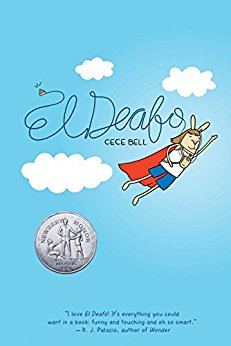 Bell, Cece. El Deafo. Amulet Books, 2014.
Lexile Level: 920L
Rationale: Like Ugly, El Deafo is another memoir about disability: hearing loss. What’s unique about this memoir is that it’s a graphic novel that takes the notion of “disability” and converts it into a notion of “different ability.” Author Cece Bell retells her experience wearing a Phonic ear that gave her a pseudo-superpower and turned her into “El Deafo, Listener for All.” Students will find this 2015 Newbery Honor Book empowering and enlightening all at once.
Nonfiction Alignment 3
 Reynolds, Luke. Surviving Middle School: Navigating the Halls, Riding the
 Social Roller Coaster, and Unmasking the Real You. Aladdin/Beyond Worlds, 2016.
Lexile Level: 920L
Rationale: Reading about bullying in Wonder, Ugly, and El Deafo is a good way to introduce students to the topic, but this how-to book gives them real-life tips for navigating middle school social issues, including bullying.
Nonfiction Alignment 4
 Jones, Carrie, and Megan Kelley Hall. Dear Bully: 70 Authors Tell Their Stories. HarperTeen, 2011.
Lexile Level: 850L
Rationale: Students may not know it, but the beloved Goosebumps author, R.L. Stine, was bullied! This collection of short memoirs by famous authors who have experienced bullying will help students realize that some of the most famous people were once bullied. This realization should help students feel less isolated while also aiding them in developing their empathetic skills.


